Science meets
learning design
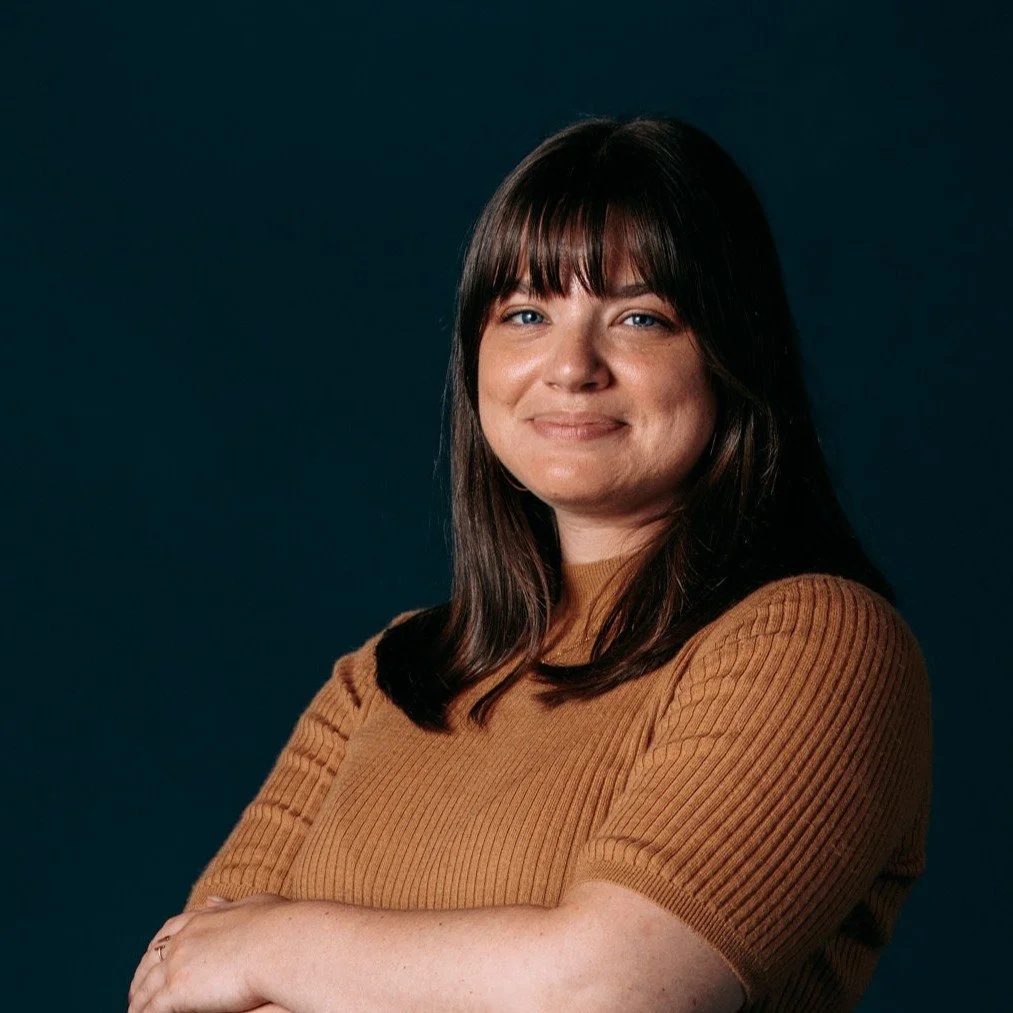
I’m a scientist with over a decade of experience helping learners get to where they want to be. Complex topics don’t have to be complicated.
I can help you …
Bridge the gap
I design learning that makes beginners actually believe experts when they say, “It’s easy.”
Design for practice
Learners don’t need to describe three ways to import data into the database. They need to import data.
Advocate for better systems
Do learners need training on a complicated system, or can the system be redesigned to be more intuitive?
Contact me
ncorbin.id@gmail.com
The science side
I’m a scientist by nature, and my MS and BS in Atmospheric Science at North Carolina State University show it. I think in systems, I use methodical approaches, and I know how to comb through mountains of jargon to get to the real, deep understanding.
While at the University Corporation for Atmospheric Research (UCAR), I founded and led the NSF Unidata Learning Program. I served universities across the US, creating learning programs in partnership with scientists that bolstered practical job skills for students. I was also the Principal Investigator on an NSF grant to promote AI/ML literacy in the Earth Systems Sciences.
The design side
I’m a “full stack” designer, designing everything from discovery though evaluation. I specialize in learning strategy that filters the signal from the noise. With my clients, we work together to determine their true needs and where learning plays a role.
Clients trust me to write and design learning that feels like it belongs to their culture, their brand, and their environment. I don’t design solely for novelty, but I do design novel experiences that meet the unique needs of learners.
My AI philosophy
Human-first, every time.
Coding
Since the era of machine code, humans have been innovating ways to make writing and executing code more accessible and efficient. Likewise, my coding practice today is different than it was 10 years ago. AI enables me to develop prototypes, build and test functionality, and troubleshoot in a fraction of the time, without consulting the docs or Stack Overflow every five minutes. What you can trust from working with me is that an experienced coder and troubleshooter is behind the wheel, validating the logic and structure along the way.
What AI doesn’t do is decide what the goal of the product is, what users need, or what the user experience will be. That’s a human-to-human conversation.
Writing
AI aims to please. In my experience, this leads to overly generalized copy that doesn’t feel specific enough to be relevant. I believe copy should reflect you. When I use AI in my writing, I use it as a polishing tool: editing copy to match tone, suggesting alternative phrasing, and proofreading.
I also respect preferences and privacy concerns. I won’t use AI if it’s not right for you.
PS: None of this page was written with AI.
Simply put, there’s no churn and burn here. Working with me is working with a strategic thought partner who helps you get clear on your goals and uses AI as a tool to get it done quickly.